
Pakistan, a land steeped in rich history and cultural tapestry, boasts an equally vibrant architectural landscape. From the majestic Mughal forts to the modern skyscrapers that pierce the urban skyline, the country’s homes reflect a fascinating blend of tradition, innovation, and regional influences. Whether you’re an architect, a potential homeowner, or simply someone with a curious eye for design, understanding the diverse construction styles in Pakistan can be an enriching experience.
This blog post delves beyond the usual suspects of modern and traditional architecture, exploring the unique character and local influences that shape Pakistani homes. We’ll explore the historical context that birthed these styles, delve into lesser-known regional variations, and uncover the exciting trends that are shaping the future of Pakistani home design. Here, we’re not just talking about aesthetics; we’ll explore how these styles cater to the specific needs and preferences of Pakistani families.
Historical Influences on Pakistani Architecture
Pakistan’s architectural heritage is a fascinating story of cultural exchange and evolution. The Mughal era (1526-1857) left an undeniable mark with its characteristic use of red sandstone, white marble, and intricate carvings. These grand structures, exemplified by the Lahore Fort and the Badshahi Mosque, influenced the construction of homes for the elite, featuring symmetrical layouts, courtyards, and ornamental details.
The British Raj (1858-1947) also played a significant role, introducing the concept of bungalows and colonial-style architecture. These homes, often constructed with brick and stone, featured large verandas, high ceilings, and a focus on natural ventilation – perfect for the subcontinental climate.
What are the Cultural influences on Pakistani Home Construction Styles
The cultural influences on Pakistani home construction styles are diverse and rich, reflecting the country’s historical, religious, and social background. Some of the key cultural influences on Pakistani home construction styles include:
- Mughal and Islamic Architecture: Traditional designs in Pakistan are deeply rooted in the country’s history, with Mughal and Islamic architectural influences being particularly prominent. These influences can be seen in the use of intricate woodwork, colorful tiles, and arched doorways in traditional Pakistani homes.
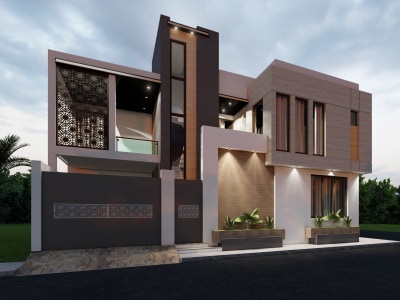
- Contemporary Designs: Contemporary Pakistani homes are embracing clean lines, avant-garde materials, and sustainable methodologies. Architects and homeowners are incorporating modern design elements with traditional influences, creating a unique blend of styles.
- International Style: The International Style in house construction is characterized by ample natural light, flat roofs, and a glass, steel, and reinforced concrete exterior. This style lacks ornaments and focuses on functionality and simplicity.
- Unique Design Concepts: Pakistan’s diverse architectural landscape offers a wide range of unique home construction styles. From contemporary villas with sleek facades to traditional havelis restored to their former glory, each architectural marvel tells a story of craftsmanship and vision.
The cultural influences on Pakistani home construction services in lahore are diverse and rich, reflecting the country’s historical, religious, and social background. From traditional designs rooted in Mughal and Islamic architecture to modern and contemporary styles, the architectural landscape of Pakistan is a fascinating blend of heritage and innovation.
The Future of Pakistani Homes: Innovation Meets Tradition
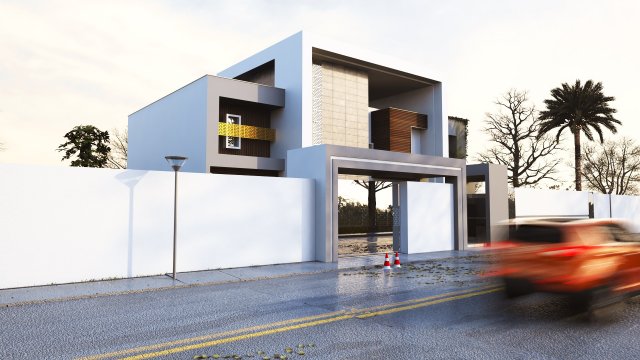
As Pakistan continues to develop, its home construction styles are sure to evolve further. Here are some exciting trends to watch out for:
- Sustainable Design: With a growing focus on environmental responsibility, expect to see even more homes incorporate energy-efficient features, water conservation techniques, and the use of recycled or locally sourced materials.
- Smart Homes: Technology is rapidly transforming our living spaces. Look out for an increase in homes equipped with smart features like.